
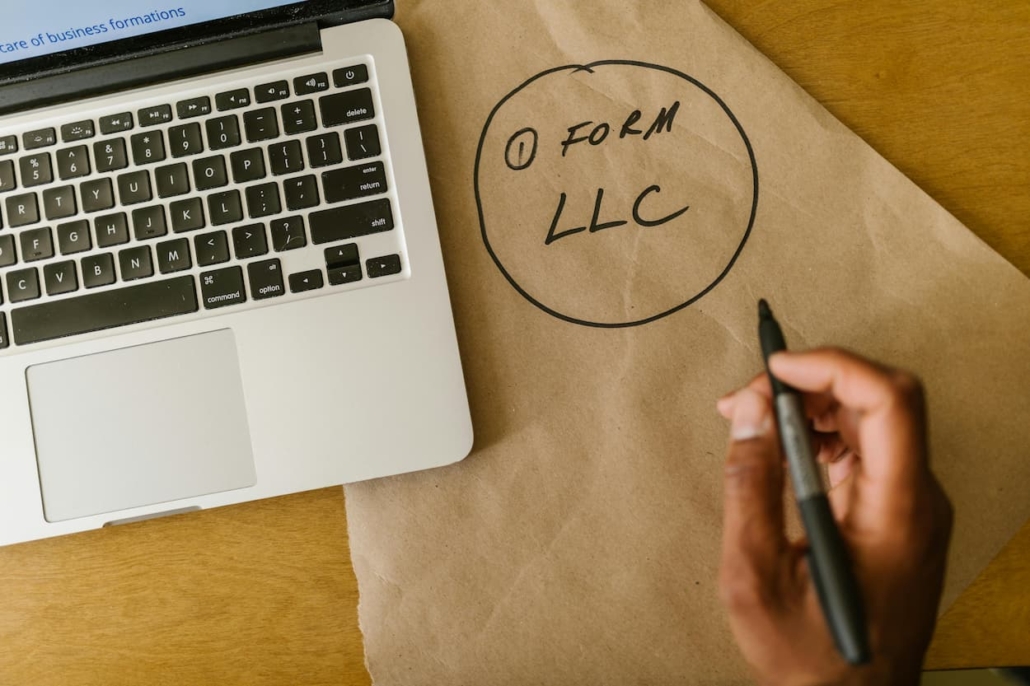
Starting a Business in South FL: What You Need to Know About Business Formation
Boca Raton’s vibrant economy and no state income tax make it one of the most attractive cities in Southern Florida for entrepreneurs. But before you open your doors or launch a website, one step can make a huge difference in the long run: choosing the right business structure and forming it properly.
How you structure your business affects more than just taxes. It determines your personal liability, how profits are shared, what happens if an owner leaves or passes away, and even your ability to attract investors. A mistake at this stage can create huge issues later, so understanding the process is critical.
Why Business Formation Matters
Many new business owners focus on products, services, and marketing—but the entity you choose becomes the legal protection for your business. It determines:
- Liability Protection: If someone sues your business, the right structure can protect your personal assets, like your home or savings.
- Taxes: Different entities are taxed differently. Some allow income to “pass through” to your personal tax return, while others pay corporate taxes.
- Ownership & Management: Your business structure defines how decisions are made and how ownership can be transferred.
- Succession & Growth: Planning early ensures smooth transitions if an owner leaves or passes away, or if you want to bring in investors.
Without proper formation, you could accidentally expose yourself to personal liability, miss tax benefits, or create issues with partners or heirs.
Choosing the Right Business Structure in Boca Raton
Florida offers many options for forming a business, each with advantages and trade-offs. The three most common choices for small and mid-sized businesses are LLCs, corporations, and partnerships.
1. Limited Liability Company (LLC)
LLCs are the most popular choice for new businesses. They have both liability protection and flexibility.
Why choose an LLC?
- Owners (called “members”) are generally not personally responsible for business debts.
- Taxes are simple because profits usually pass through to members’ personal tax returns.
- You can have a single owner or multiple members.
- There are fewer formalities than a corporation (no required board meetings or shareholder votes).
LLCs work best for:
- Small business owners and solo entrepreneurs
- Real estate investors
- Professional services like consultants, designers, or contractors
2. Corporation (S-Corp or C-Corp)
Corporations are more “formal” than LLCs and are usually chosen by businesses that:
- Plan to seek investors
- Intend to grow quickly
- Want to offer stock or ownership shares to employees
C-Corp vs. S-Corp:
- C-Corp: Profits are taxed at the corporate level, and again at the personal level if distributed.
- S-Corp: Profits “pass through” to personal tax returns, which can avoid double taxation, and can even offer payroll tax advantages.
3. Partnership
Partnerships involve two or more people.
- General partnership: All partners share responsibility and liability.
- Limited partnership: Some partners have limited liability, usually those who invest but don’t manage daily operations.
Partnerships can be useful for professional practices or investment ventures, but require clear agreements to prevent disputes.
Step-by-Step Guide to Forming a Business in Boca Raton
Even if you’ve never formed a business before, having a step-by-step process makes it way more manageable.
Step 1: Choose Your Business Name
Your business name must be unique in Florida and meet legal requirements.
- Check the Florida Division of Corporations (Sunbiz) database to make sure the name isn’t already in use.
- Ensure it reflects your business type (for example, “LLC” or “Inc.” at the end if required).
Step 2: File Formation Documents
Depending on the entity:
- LLC: File Articles of Organization with Sunbiz.
- Corporation: File Articles of Incorporation.
These documents legally create your business. Filing can usually be done online, and processing often takes just a few business days.
Step 3: Draft Internal Governing Documents
Even single-owner businesses need internal agreements.
- LLCs: Operating Agreement explains ownership percentages, how profits are shared, and what happens if a member leaves.
- Corporations: Bylaws and shareholder agreements detail how the company is run and how decisions are made.
Proper documentation strengthens legal protections and lowers the risk of future disputes.
Step 4: Get an EIN (Employer Identification Number)
An EIN is required for:
- Filing taxes
- Opening business bank accounts
- Hiring employees
It’s free from the IRS and can usually be accessed online in minutes.
Step 5: Register for Local Licenses and Permits
Boca Raton may require:
- Business tax receipts
- Professional licenses, depending on your field
- Sales tax registration if selling goods
- Industry-specific permits
Make sure you check local rules before starting operations.
Step 6: Open Separate Business Accounts
Keeping personal and business finances separate protects your liability shield and makes taxes and accounting much easier.
Timing and Costs
- State filing fees:
- LLC: ~$125
- Corporation: ~$70–$87
- LLC: ~$125
- Attorney fees:
- $800–$2,500+ depending on complexity and custom agreements
- $800–$2,500+ depending on complexity and custom agreements
- County recording or licensing fees: Usually modest
DIY services may save money upfront, but don’t provide custom legal agreements, tax advice, or long-term planning, which could cost far more later if issues come up.
Why Working With a Business Attorney Matters
An attorney ensures your business is legally valid under Florida Law, protects your personal assets, and sets you up for growth. They can:
- Give you advice on entity selection
- Draft protective agreements
- Help plan for investors or partners
- Lower business and personal liability risks
- Coordinate business formation with estate planning
Moving Forward
Starting a business in Boca Raton is an awesome opportunity, but forming it correctly is the foundation for success. The right legal structure protects you, simplifies taxes, and keeps your business on track for growth.
